

Controlled environments are only effective when atmospheric conditions remain within defined operating parameters. Whether the application involves battery research, semiconductor manufacturing, pharmaceutical production, chemical synthesis, or anaerobic microbiology, oxygen monitoring plays a critical role in maintaining process reliability and environmental control.
Oxygen is both a life-safety variable and a highly reactive element. Continuous monitoring helps verify that a controlled environment is functioning as intended while providing early warning when conditions begin to drift outside acceptable limits.
The Importance of Oxygen Monitoring
Monitoring oxygen levels supports several operational objectives.
Process Integrity
Even small oxygen excursions can alter chemical reactions, damage air-sensitive materials, compromise sterility, and reduce manufacturing yields.
In controlled environments, seemingly minor changes in oxygen concentration can have significant consequences for product quality and research outcomes.
Process Protection and Risk Prevention
Oxygen monitoring helps detect unwanted atmospheric changes that could damage sensitive materials, disrupt reactions, or compromise controlled processes. Early detection allows operators to address oxygen excursions before they affect product quality or process integrity.
Regulatory Compliance
Many organizations rely on oxygen monitoring to support compliance initiatives and demonstrate proper environmental control. Monitoring data can also support quality systems and documentation requirements.
Automation and Process Control
Oxygen sensors help automate environmental management by supporting pressure adjustments, airflow control, purging cycles, and gas regeneration processes.
Early Failure Detection
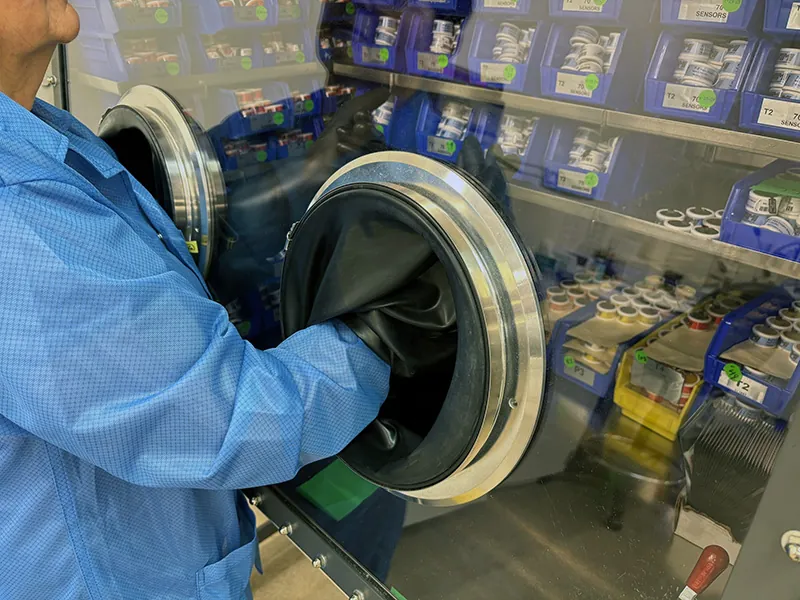
Continuous monitoring helps identify degraded seals, damaged gloves, atmosphere breaches, leaks, and operator errors before they become significant problems.
Controlled vs. Uncontrolled Environments
The value of oxygen monitoring becomes clearer when comparing controlled and uncontrolled atmospheres.
| Characteristic | Controlled Inert Environment | Uncontrolled Environment |
|---|---|---|
| Air Composition | Strictly defined | Variable |
| Contaminants | Limited through filtering | Unpredictable |
| Temperature | Regulated | Fluctuating |
| Safety Risk | Managed | Higher risk |
| Process Reliability | Repeatable | Inconsistent |
Controlled environments create predictable conditions that support quality, safety, and repeatable results. Uncontrolled environments introduce variability that can compromise sensitive processes.
Why ppm-Level Oxygen Monitoring Matters
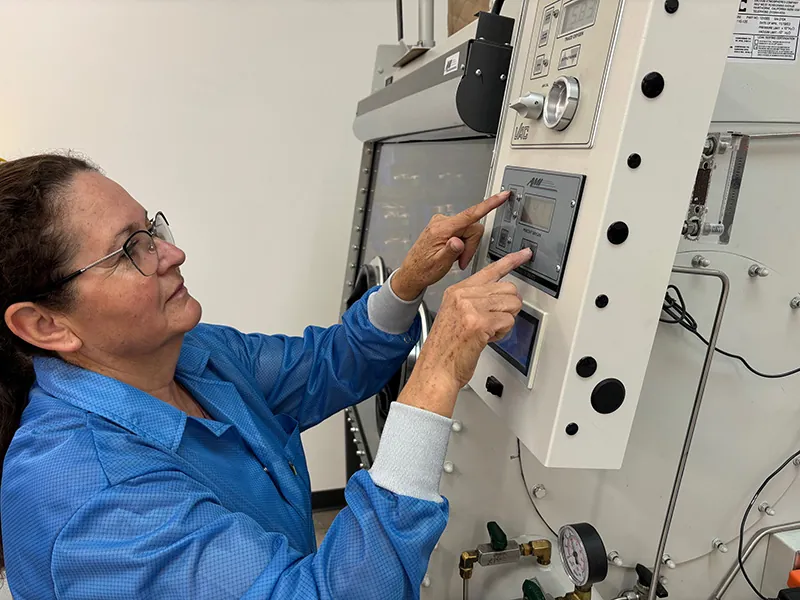
Trace amounts of oxygen can cause significant damage to sensitive materials and processes.
In many applications, oxygen-related degradation is:
- Invisible
- Cumulative
- Irreversible
This makes low-ppm oxygen monitoring essential.
Examples include:

Material Oxidation
Oxygen remains highly reactive even at ppm levels and can cause gradual oxidation that degrades materials over time.

Battery and Semiconductor Damage
Semiconductor materials and battery components are vulnerable to oxygen and moisture exposure. Oxidation can alter electrical properties, reduce performance, and create failed interfaces.

Failed Experiments and Processes
Small oxygen variations can change reaction pathways, resulting in failed experiments, inconsistent outcomes, and reduced process repeatability.

Metal Additive Manufacturing
Trace oxygen can oxidize reactive metal powders such as titanium and aluminum, affecting material integrity and final part quality.
Contaminated Anaerobic Cultures
Even trace amounts of oxygen can disrupt anaerobic conditions, reducing the viability of oxygen-sensitive microorganisms and leading to unreliable experimental results, failed cultures, or inaccurate testing outcomes.
Principles of Atmosphere Management
Successful atmosphere management requires more than simply removing oxygen. Organizations must establish, maintain, verify, and protect environmental conditions throughout operation.
Core principles include:
- Defining atmosphere requirements, including gas composition and oxygen targets
- Eliminating contaminants through purging and controlled material transfers
- Maintaining stable pressure conditions
- Continuously monitoring oxygen and moisture levels
- Automating environmental controls through closed-loop systems
- Removing residual contaminants
- Managing material transfers carefully
- Designing systems for safe failure and rapid recovery
- Maintaining documentation through data logging and analysis
Together, these practices help ensure process stability, product quality, and operational safety.
Monitoring Best Practices
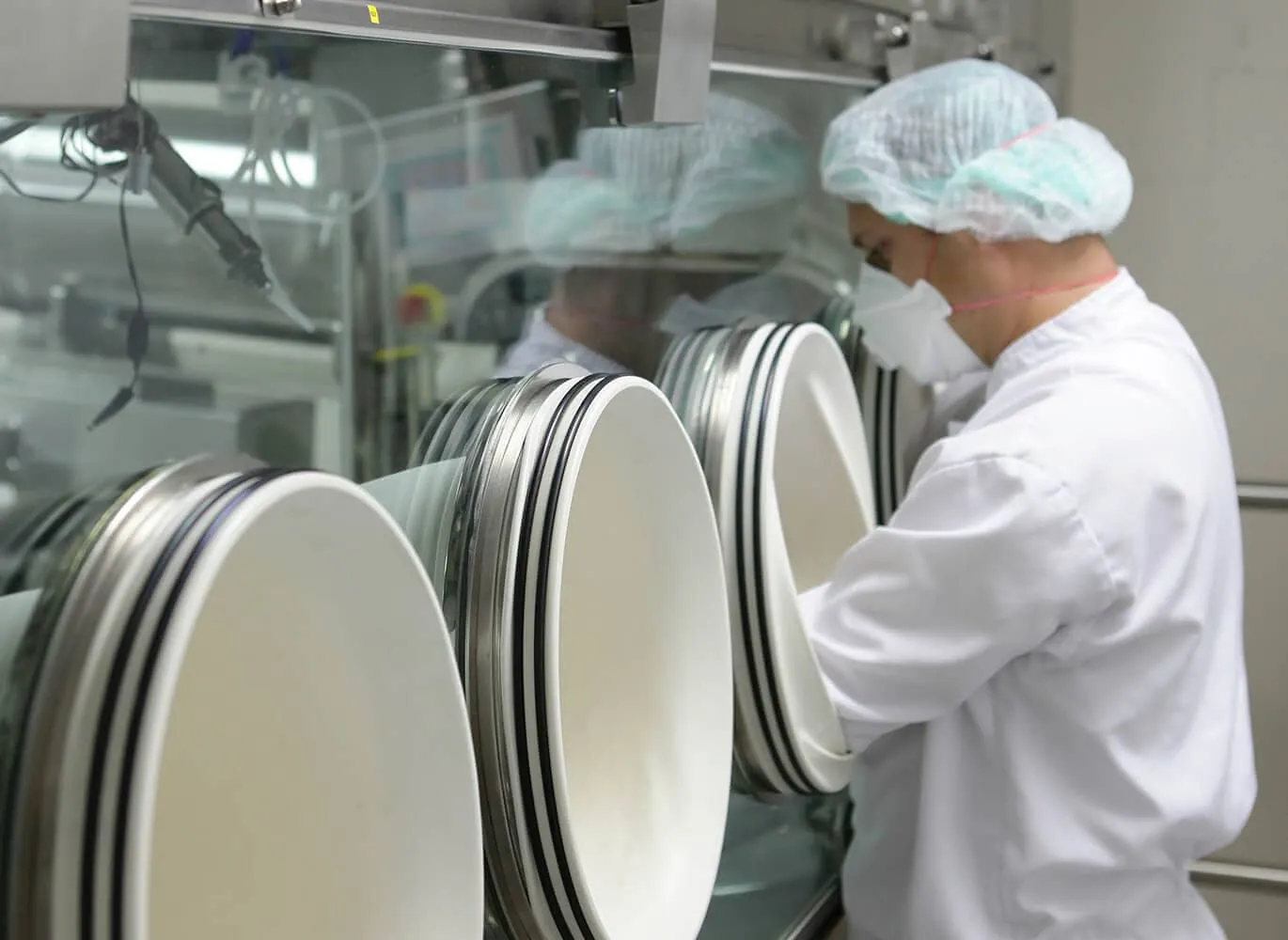
Organizations seeking optimal oxygen control should:
- Define oxygen targets and alarm thresholds.
- Select appropriate sensor technology.
- Position sensors at critical locations and potential leak points.
- Monitor continuously in real time.
- Implement alarms and interlocks.
- Integrate monitoring into automated control systems.
- Maintain regular calibration procedures.
- Log and analyze environmental data.
These practices help maintain process integrity while reducing risk and downtime.
Recommended Oxygen Monitoring Solutions
Accurate oxygen monitoring is a critical component of atmosphere management. Continuous measurement helps organizations maintain process stability, protect sensitive materials, identify atmospheric excursions, and support quality requirements. AMI oxygen analyzers provide highly accurate low-ppm oxygen measurement, alarm capabilities, and dependable long-term performance for controlled environments where oxygen control directly impacts outcomes.
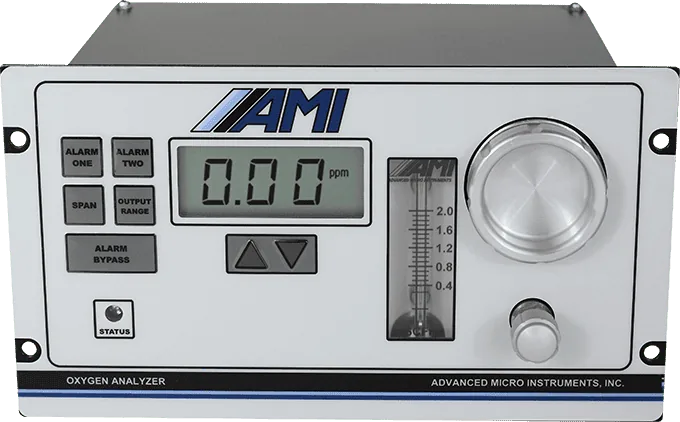
MODEL 2001RS/RSP
Panel-mount trace oxygen analyzer for ultra-low ppm glove boxes. Fast response to small oxygen changes, data logging, and adjustable alarm relays.
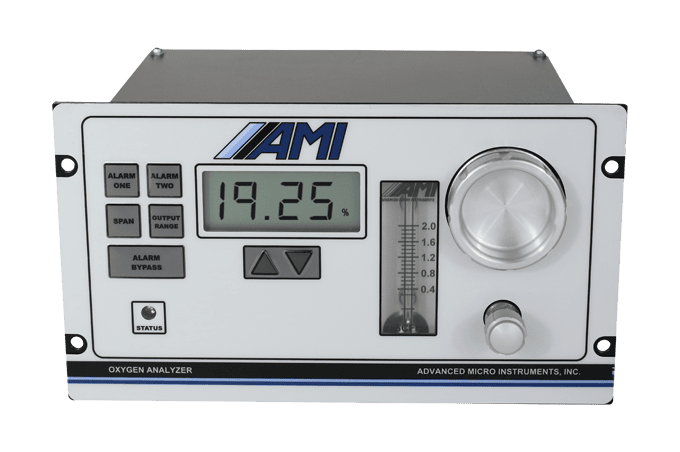
MODEL 201RS/RSP
Panel-mount percent oxygen analyzer for glove boxes and process chambers that operate at percent-level setpoints.
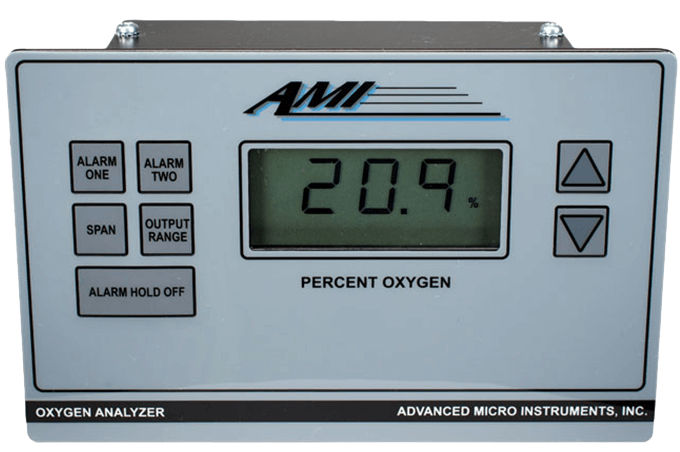
MODEL 70
Compact panel-mount percent oxygen analyzer with a long-life sensor, annual calibration, and two fully adjustable concentration alarms.
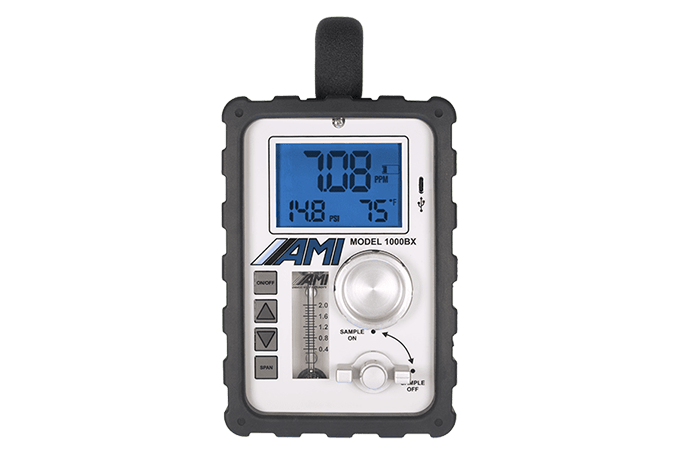
MODEL 1000BX
Portable analyzer for multi-station facilities, post-purge validation, and troubleshooting after glove port entries.
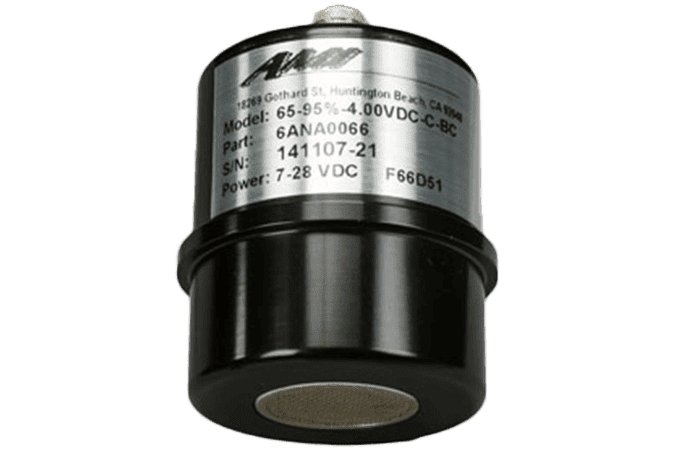
MODEL 65
Standalone zirconium oxide percent oxygen probe for OEM and process installations that need a compact analog output.
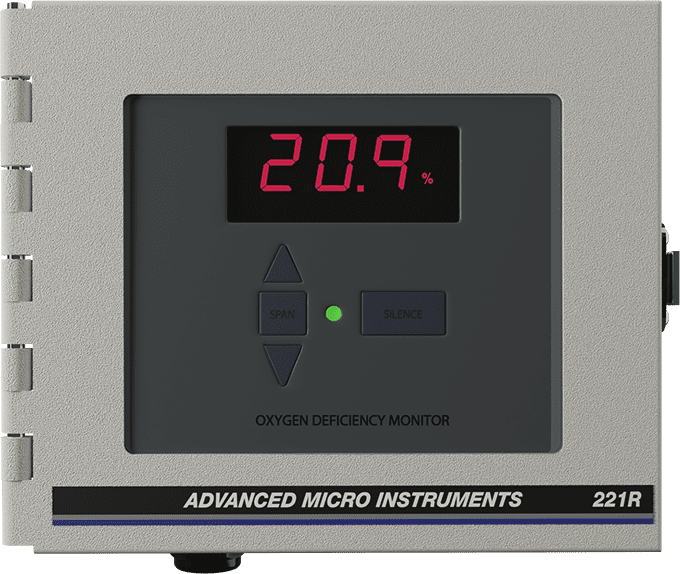
MODEL 221R
Dedicated room-safety oxygen deficiency monitor. Use it for occupied spaces around glove boxes. It does not replace in-box process analyzers.


