

Organizations that operate controlled environments must understand the distinction between process monitoring and personnel safety monitoring.
While oxygen analyzers inside glove boxes help maintain process integrity, worker safety requires separate monitoring of the surrounding environment whenever oxygen-deficient conditions may occur.
This distinction is critical for OSHA compliance and workplace safety.
What Is an Oxygen-Deficient Atmosphere?
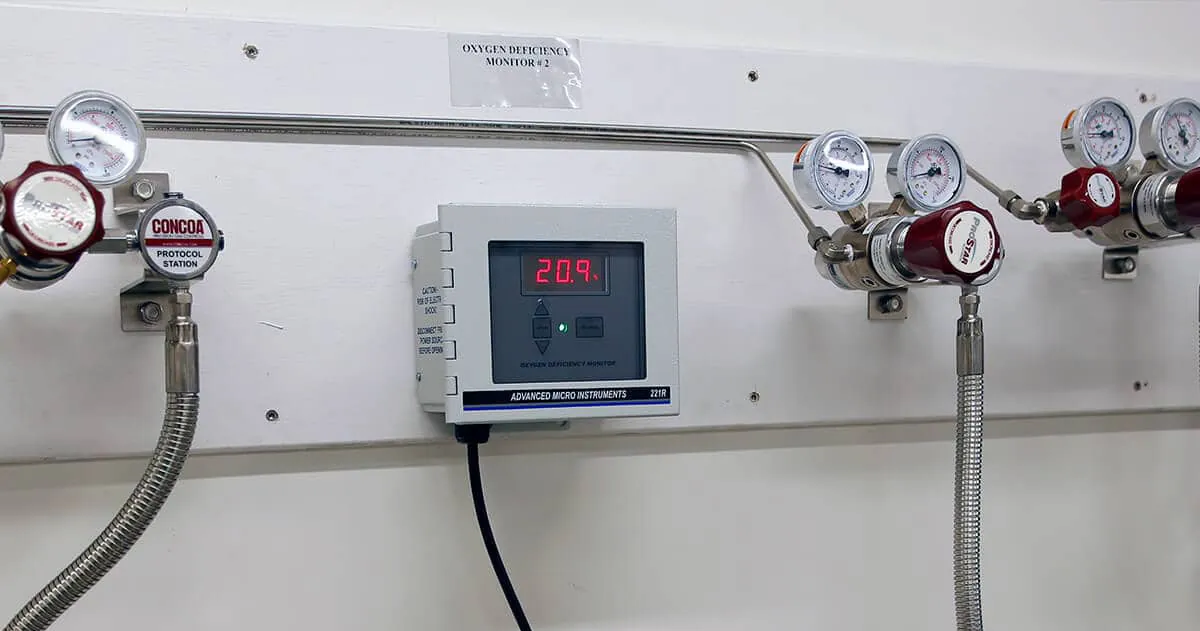
OSHA defines an oxygen-deficient atmosphere as one that contains less than 19.5% oxygen by volume (29 CFR 1910.146).
At these concentrations, workers may be exposed to conditions that present an immediate danger to life or health (IDLH). Organizations must implement safeguards to prevent exposure and control access.
OSHA Requirements for Oxygen-Deficient Environments
Organizations must implement several measures when oxygen-deficient conditions may exist.
Atmospheric Testing
Atmospheric testing should be performed before personnel enter potentially hazardous environments. Testing verifies that oxygen concentrations remain within safe limits.
Ventilation Requirements
Unsafe atmospheres should be ventilated until oxygen levels exceed 19.5% before entry is permitted.
Respiratory Protection
When required, workers must be provided with appropriate respiratory protection, including self-contained breathing apparatus systems.
Hazard Communication
Oxygen-deficient environments should be clearly labeled as unsafe for workers to enter without proper precautions.
Process Monitoring vs. Personnel Monitoring
One of the most common misconceptions is assuming that a process oxygen analyzer also protects workers.
These are different functions.
Process Monitoring
Process oxygen analyzers monitor atmospheric conditions inside:
- Glove boxes
- Anaerobic chambers
- Isolators
- Controlled-atmosphere process systems
Their purpose is to maintain process quality, product integrity, and atmospheric control.
Personnel Safety Monitoring
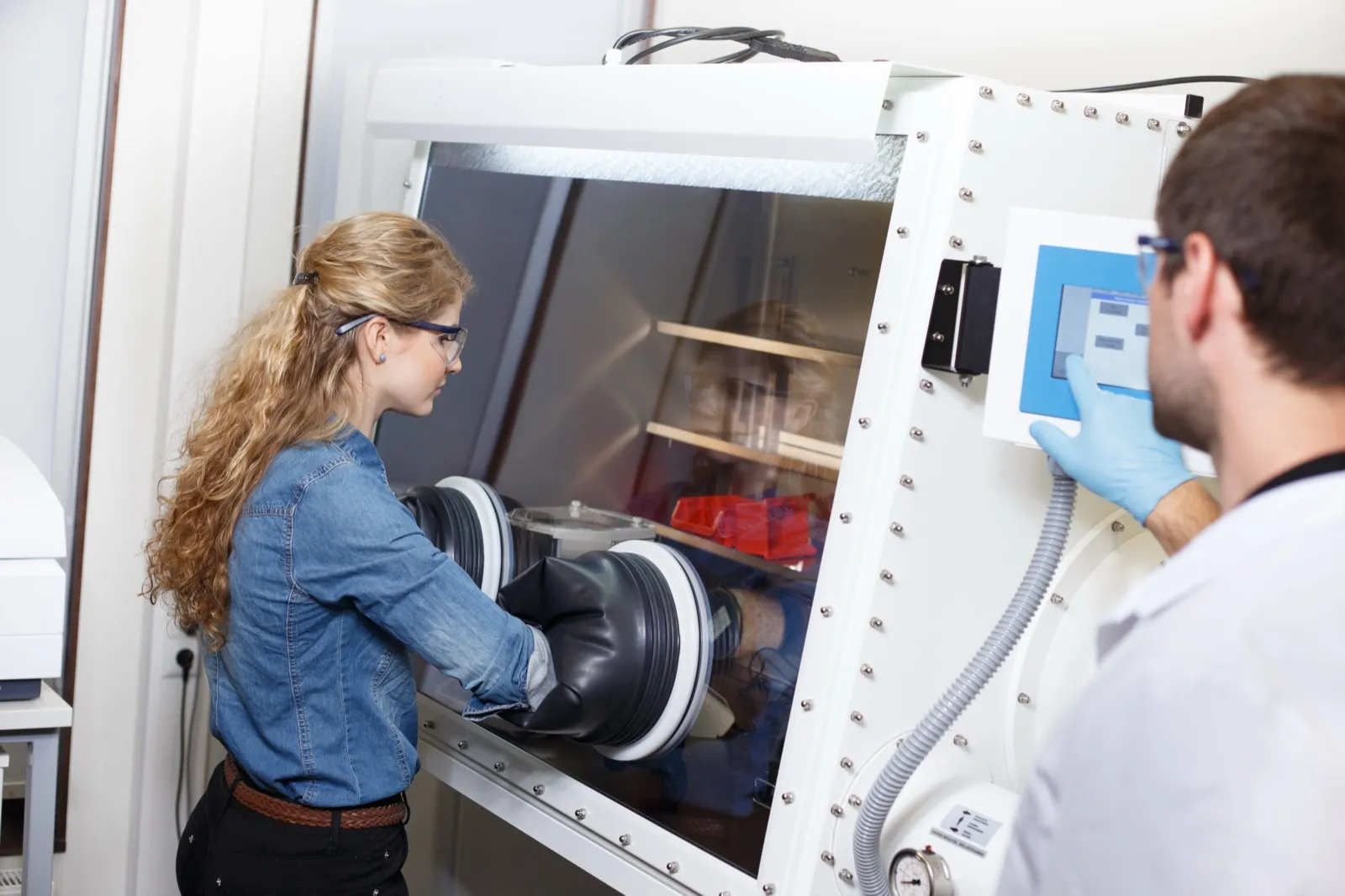
Personnel safety monitors are designed to protect workers in occupied spaces where oxygen-deficient conditions may develop.
For example, an inert-gas leak in a laboratory or manufacturing area could reduce room oxygen levels even if the glovebox itself is functioning correctly.
Oxygen Monitoring Supports Safety Programs
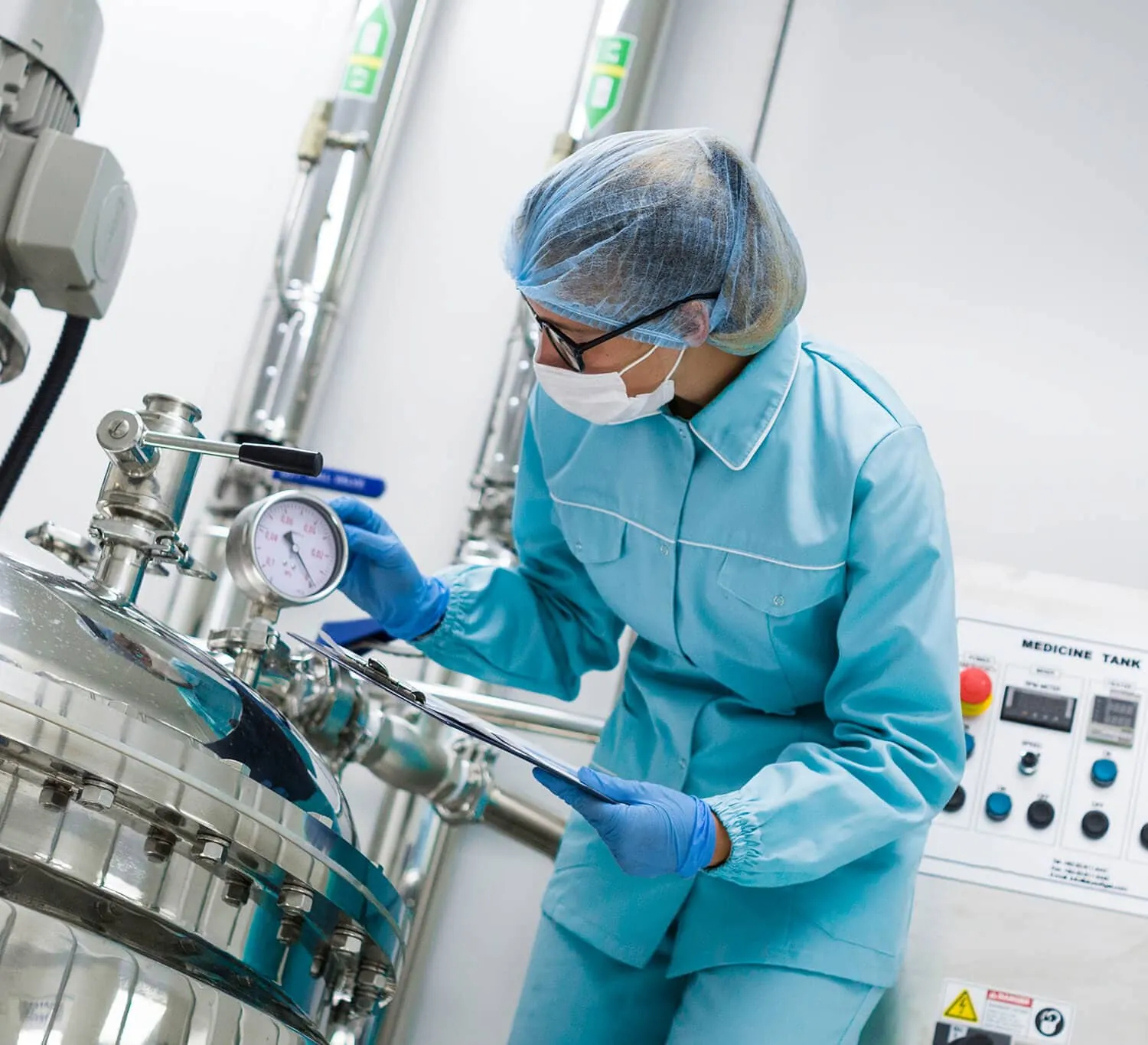
Continuous oxygen monitoring contributes to safer operations by:
- Detecting atmosphere changes quickly
- Supporting alarm activation
- Identifying leaks and equipment failures
- Improving incident prevention
- Supporting emergency response procedures
Monitoring also supports data collection and documentation that may be valuable for safety programs and operational reviews.
Recommended Monitoring Strategy
Organizations operating glove boxes or controlled-atmosphere systems should consider both process monitoring and room safety monitoring.
A comprehensive strategy includes:
- Continuous monitoring inside controlled environments
- Monitoring at potential leak points
- Room-level oxygen deficiency monitoring
- Alarm systems and interlocks
- Routine sensor calibration
- Data logging and review
This layered approach helps support both operational performance and worker safety.
Related reading: Glove Box vs Anaerobic Chamber and Applications for Oxygen Monitoring.
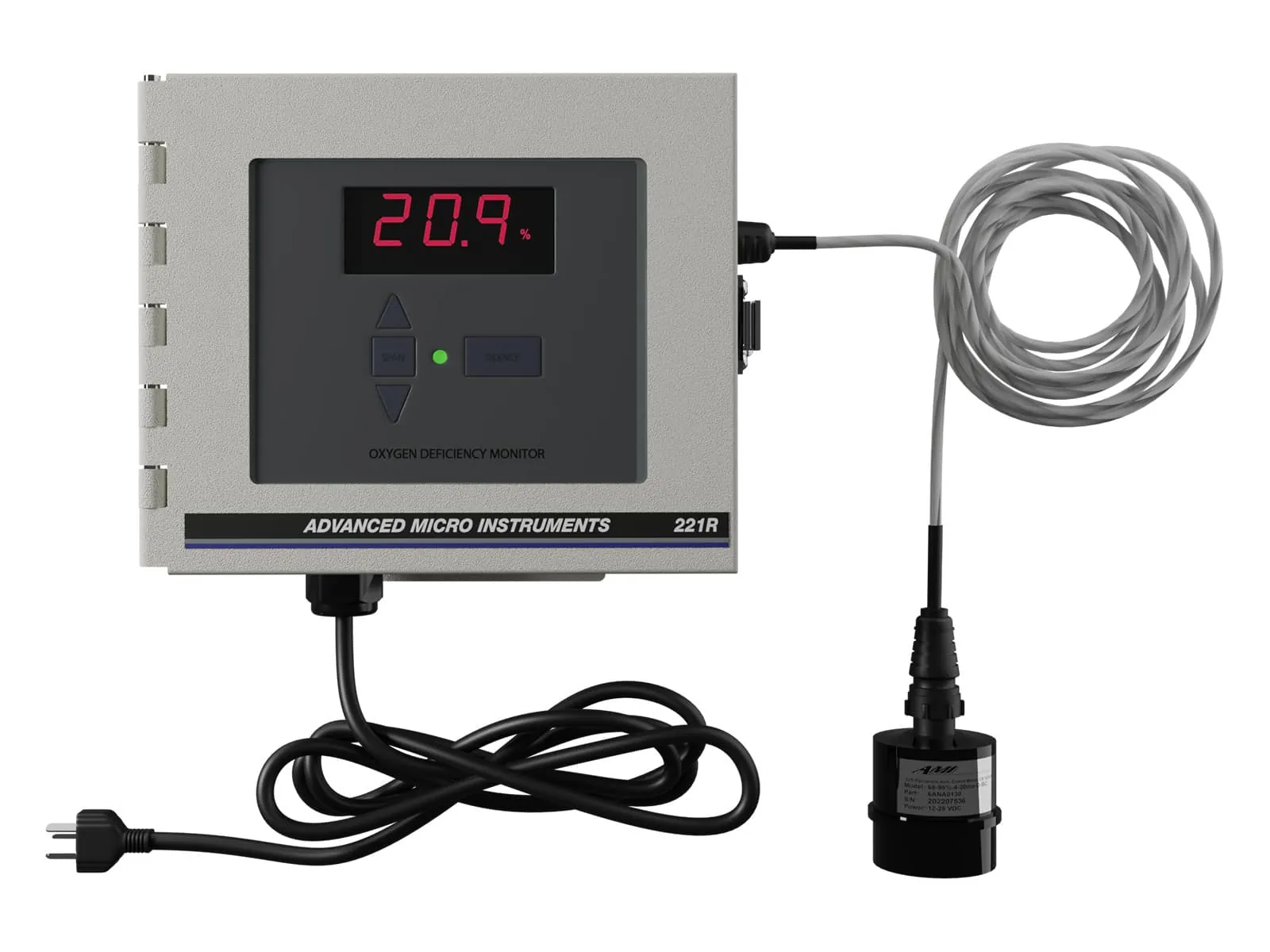
Recommended Oxygen Deficiency Monitoring Solution
Process oxygen monitoring and personnel safety monitoring serve different purposes. While process analyzers help maintain atmospheric conditions inside glove boxes and controlled environments, worker safety requires dedicated monitoring of occupied spaces where oxygen-deficient conditions may occur.
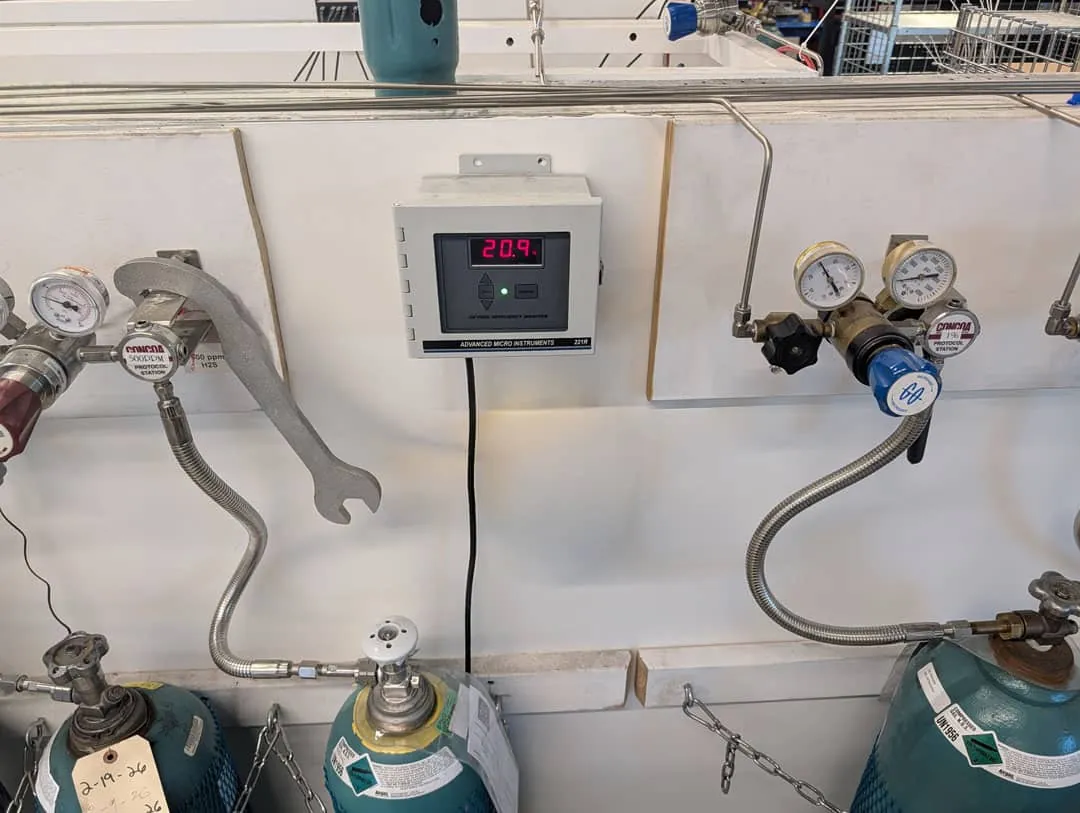
AMI’s Model 221R O2 Deficiency Monitor provides continuous room monitoring and alarm capabilities to help facilities identify potentially hazardous oxygen levels and support workplace safety initiatives.
FAQ
Q: Does a glove box oxygen analyzer satisfy OSHA room monitoring requirements?
A: No. Process analyzers monitor the atmosphere inside the glove box. If the surrounding room may become oxygen deficient, a dedicated oxygen deficiency monitor should be installed to support personnel safety and OSHA compliance.
Q: What oxygen level is considered deficient?
A: OSHA defines an oxygen-deficient atmosphere as one containing less than 19.5% oxygen by volume.
Q: Why is continuous monitoring important?
A: Continuous monitoring provides real-time detection of oxygen excursions, equipment failures, leaks, and other conditions that may affect safety or process performance.
Q: What gases can create an oxygen deficient atmosphere?
A: Any gas that can displace the oxygen in an enclosed area can create an unsafe oxygen deficient environment. Many are used with glove boxes. Common gases include nitrogen, argon, helium and carbon dioxide.


