

A glove box is a sealed workstation built for general containment and atmosphere control, using air, nitrogen, argon, or a custom gas mix. An anaerobic chamber is a specialized glove box that must maintain a strictly oxygen-free atmosphere, typically below 0.1% oxygen, so anaerobic organisms can survive.
Although glove boxes and anaerobic chambers share similarities, they are designed for different purposes and operate under different atmospheric requirements. Understanding the differences is important when selecting equipment and oxygen monitoring solutions.
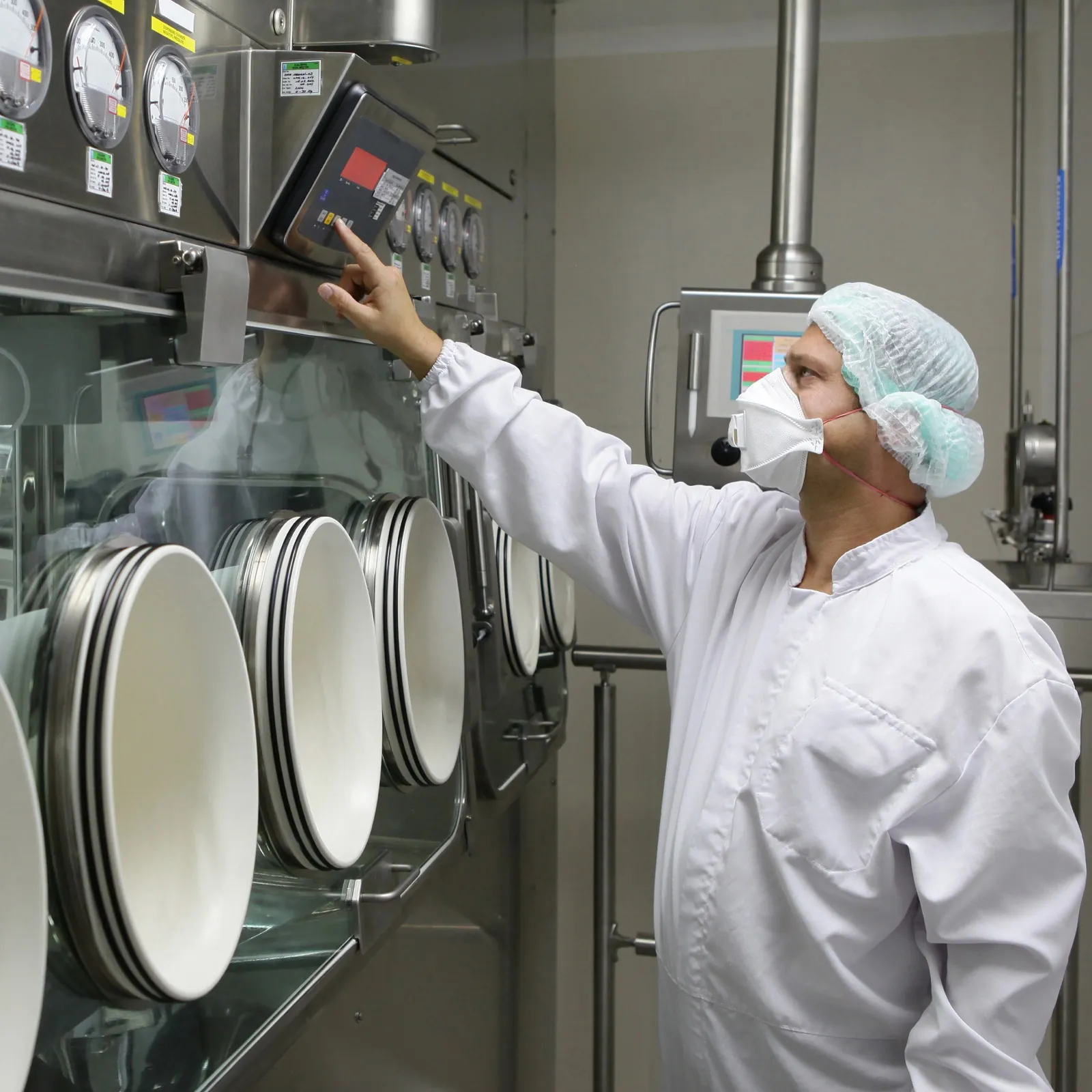
Inert-Atmosphere Glove Boxes
The primary purpose of an inert-atmosphere glove box is to create and maintain an ultra-dry, oxygen-free environment that protects sensitive materials from degradation.
These systems commonly utilize high-purity nitrogen or argon and maintain extremely low oxygen and moisture levels, often below 1 ppm.
Common applications include:
- Lithium-ion battery research
- Semiconductor manufacturing
- Metal additive manufacturing
- Pharmaceutical research
- Chemical synthesis
Because atmosphere quality directly affects results, continuous oxygen monitoring is essential to verify environmental integrity.
Anaerobic Chambers
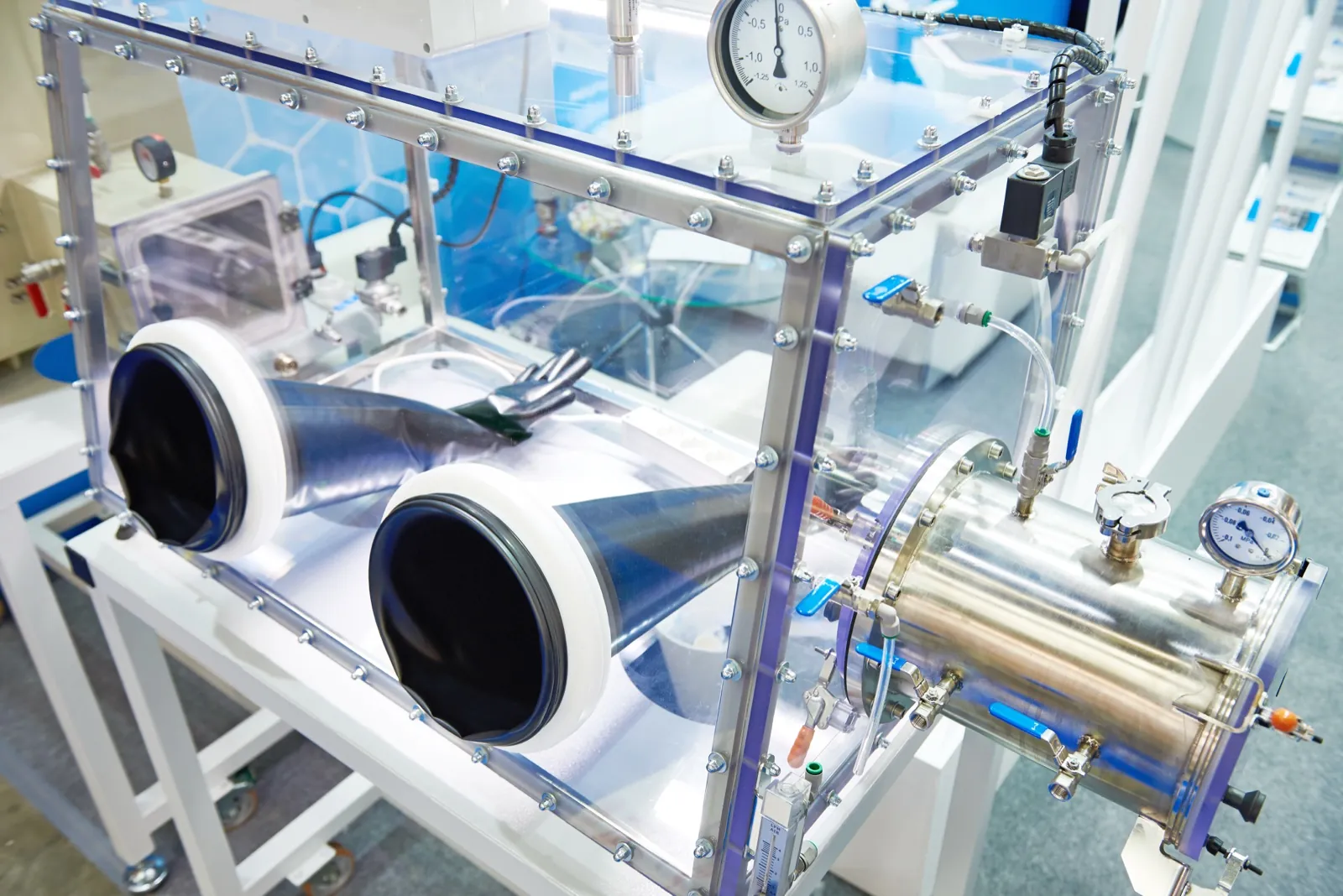
Anaerobic chambers are specialized containment systems designed specifically to support oxygen-sensitive organisms.
Unlike general glove boxes, anaerobic chambers must maintain a truly oxygen-free atmosphere. Their gas mixture typically consists of nitrogen, carbon dioxide, and hydrogen.
Typical applications include:
- Microbiology research
- Clinical diagnostics
- Culturing anaerobic bacteria
Real-time oxygen verification is critical because even trace oxygen can compromise experimental results and organism viability.
Glove Box vs Anaerobic Chamber Comparison
| Feature | Glove Box | Anaerobic Chamber |
|---|---|---|
| Primary Purpose | General containment and atmosphere control | Oxygen-free environment for anaerobic organisms |
| Typical Applications | Chemistry, engineering, materials science | Microbiology and clinical research |
| Atmosphere | Air, nitrogen, argon, or custom gas mix | Nitrogen, hydrogen, carbon dioxide |
| Oxygen Level | Variable low oxygen | Less than 0.1% oxygen |
| Oxygen Removal | During purging | Continuous catalytic removal |
| Oxygen Monitoring | Optional depending on application | Mandatory |
| Airlocks | Manual or semi-automated | Automated |
| Safety Focus | Operator and environmental protection | Oxygen exclusion and hydrogen safety |
| Maintenance | Moderate | Higher due to catalyst and gas-balance systems |
| Cost | Moderate | Generally higher |
How Oxygen Monitoring Requirements Differ
While both systems rely on oxygen monitoring, the monitoring objectives and implementation can differ.
For inert-atmosphere gloveboxes, oxygen monitoring focuses on protecting air-sensitive materials and maintaining process quality by verifying that ultra-low oxygen conditions are achieved. Depending on the application, some operations may rely on periodic verification with a portable oxygen analyzer, while others require continuous monitoring.
For anaerobic chambers, oxygen monitoring is essential to confirm that the environment remains oxygen-free so anaerobic organisms can survive and experiments remain valid. Because even small amounts of oxygen can affect biological viability, continuous oxygen monitoring is typically required to ensure suitable conditions are maintained throughout operation.
In both cases, selecting the appropriate monitoring approach depends on the application, the required oxygen concentration, and the level of process control needed.
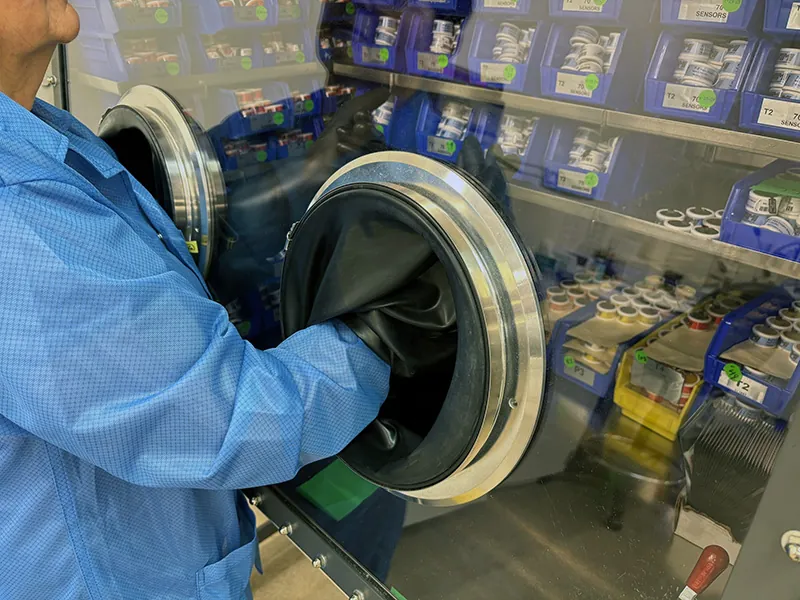
Which System Is Right for Your Application?
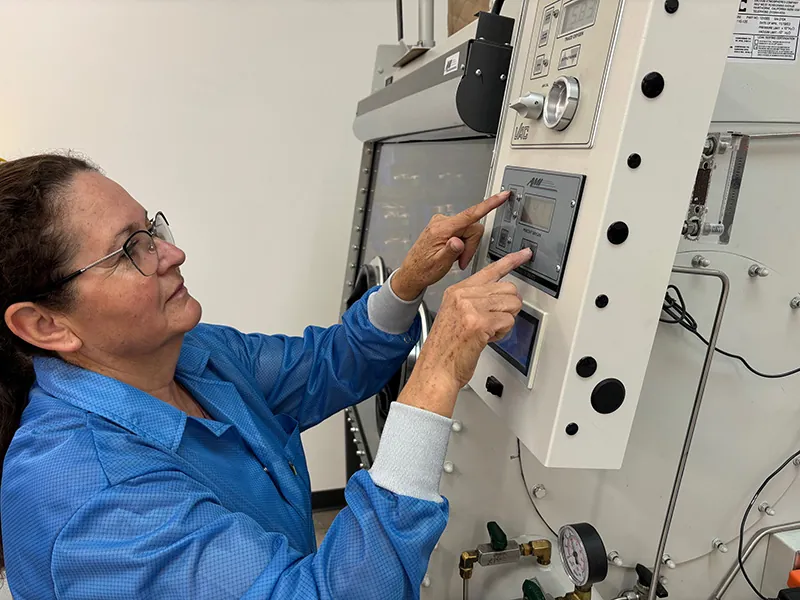
The answer depends on the objective.
Choose an inert-atmosphere glovebox when working with:
- Air-sensitive chemicals
- Battery materials
- Electronics
- Metal powders
- Pharmaceutical compounds
Choose an anaerobic chamber when working with:
- Anaerobic bacteria
- Microbiome research
- Clinical microbiology
- Oxygen-sensitive biological processes
The critical factor is selecting a system capable of maintaining the atmospheric conditions required for the intended process.
Recommended Oxygen Monitoring Solutions
Both inert-atmosphere glove boxes and anaerobic chambers rely on accurate oxygen measurement to maintain the environmental conditions required for successful operation. The appropriate monitoring solution depends on the application, target oxygen levels, and process requirements. AMI provides oxygen analyzers capable of measuring oxygen concentrations from ambient levels down to ultra-low ppm ranges, helping organizations validate atmospheric integrity and maintain confidence in their processes.
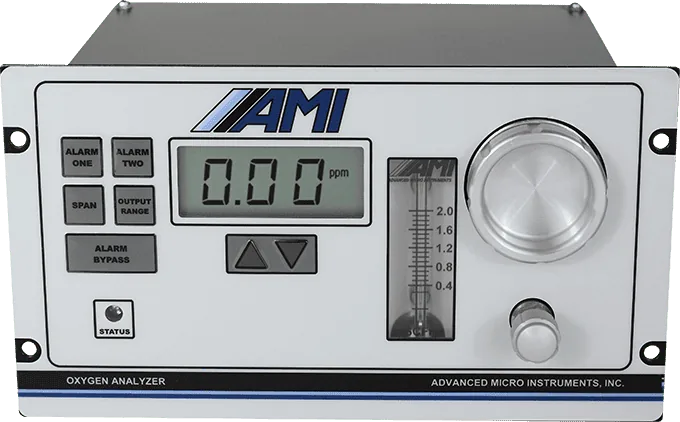
MODEL 2001RS/RSP — Trace Oxygen Analyzer
Panel-mount continuous monitoring for ultra-low oxygen glove boxes and anaerobic chambers. Fast response to small oxygen changes, data logging, and adjustable alarm relays.
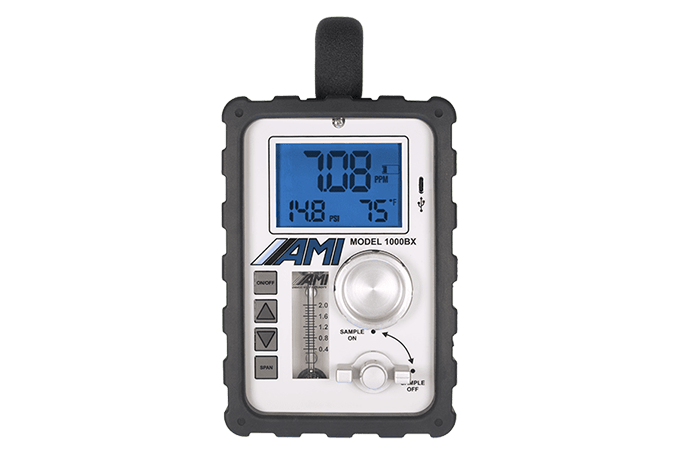
MODEL 1000BX — Portable Oxygen Analyzer
Spot-check multiple glove boxes or anaerobic workstations, confirm post-purge conditions, and troubleshoot oxygen ingress after transfers.
Frequently Asked Questions
Q: What is the difference between a glove box and an anaerobic chamber?
A: A glove box is a sealed workstation built for general containment and atmosphere control, using air, nitrogen, argon, or a custom gas mix. An anaerobic chamber is a specialized glove box that must maintain a strictly oxygen-free atmosphere, typically below 0.1% oxygen, so anaerobic organisms can survive.
Q: Is oxygen monitoring required in an anaerobic chamber?
A: Yes. Because even trace oxygen can affect biological viability and experimental validity, continuous oxygen monitoring is typically required in anaerobic chambers. In general-purpose glove boxes, monitoring may be continuous or periodic depending on the application.
Q: When should I choose a glove box instead of an anaerobic chamber?
A: Choose an inert-atmosphere glove box for air-sensitive chemicals, battery materials, electronics, metal powders, and pharmaceutical compounds. Choose an anaerobic chamber for anaerobic bacteria, microbiome research, clinical microbiology, and oxygen-sensitive biological processes.


