

A glove box is a sealed, enclosed workstation with built-in gloves that allow operators to handle materials that remain isolated from the surrounding environment. These systems are designed to protect the user, the surrounding environment, and the materials inside the enclosure by maintaining a controlled atmosphere.
Glove boxes enable safe and precise handling of hazardous, sensitive, or contamination-prone materials without direct exposure. They are widely used in research laboratories, manufacturing facilities, pharmaceutical environments, and industrial applications where atmospheric control is critical.
This page is part of AMI’s guide to oxygen analyzers for glove boxes and controlled environments.
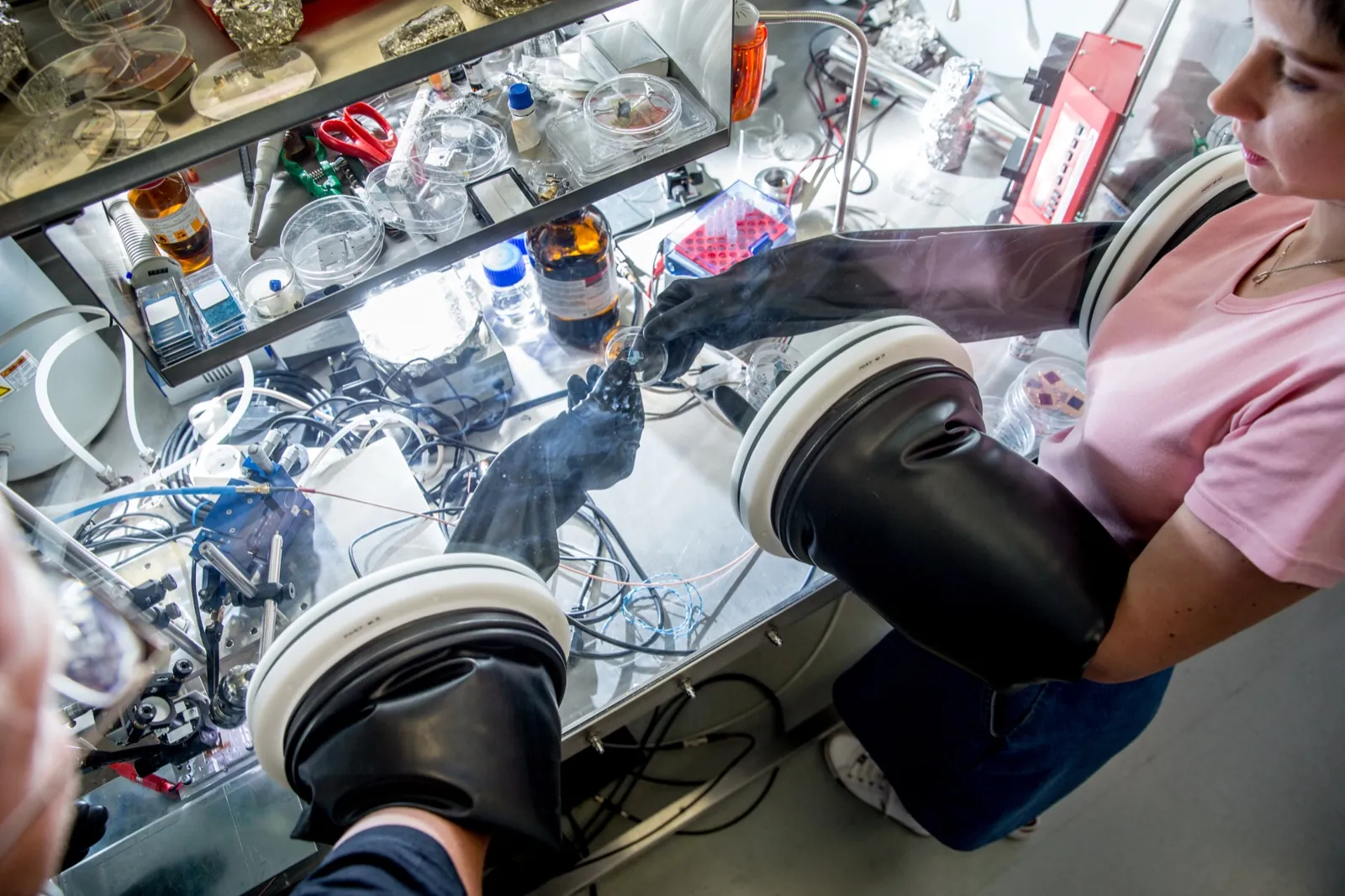
Core Components of a Glove Box
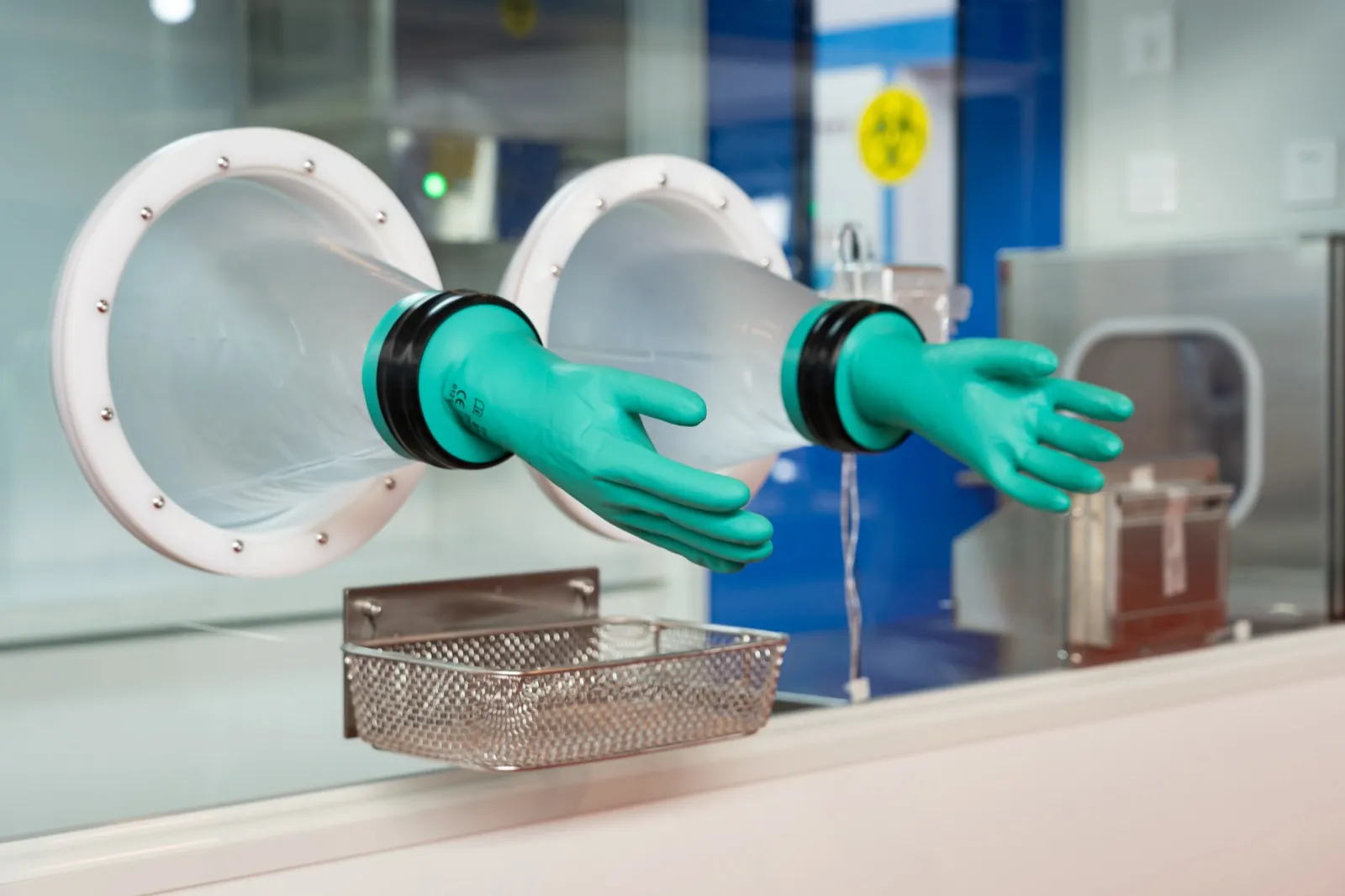
Although glove box configurations vary by application, most systems share several common features.
Typical glove box components include:
- A sealed enclosure constructed from stainless steel, glass, acrylic, or polycarbonate
- Viewing windows that allow operators to observe activities inside the chamber
- Glove ports with chemically resistant gloves
- Material transfer ports and airlocks
- Gas inlet and exhaust systems
- Pressure and safety valves
- Optional oxygen and moisture sensors
These components work together to maintain atmospheric stability while allowing operators to safely perform tasks inside the enclosure.
Why Controlled Atmospheres Matter
A glovebox may maintain either an oxygen-deficient inert atmosphere or an oxygen-rich environment depending on the application. Controlled atmospheres are necessary because many materials and processes are highly sensitive to environmental conditions.
Benefits of atmospheric control include:
Protection of Sensitive Materials
Certain materials degrade rapidly when exposed to oxygen or moisture. Maintaining a controlled atmosphere helps prevent contamination, oxidation, and process failures.
Personnel Protection
Glove boxes help protect operators from exposure to hazardous chemicals, dangerous substances, toxic powders, and other potentially harmful materials.
Process Stability
Many manufacturing and research processes require specific and stable oxygen concentrations, moisture levels, and pressure conditions. Controlled atmospheres support consistent and repeatable outcomes.
Safety and Compliance
Oxygen levels can influence combustion risks, chemical reactions, and overall workplace safety. Controlled environments help organizations meet operational and regulatory requirements.
What Is a Controlled Environment?
A controlled environment is a precisely regulated space with a known atmospheric composition. Conditions are maintained to support safety, quality, consistency, and reliability.
Organizations use controlled environments because uncontrolled ambient conditions can introduce variability, contamination, and process failure.
Controlled environments help:
- Prevent oxidation of sensitive materials
- Maintain product purity
- Improve consistency in manufacturing
- Protect research integrity
- Reduce contamination risks
For many organizations, environmental control is essential to maintaining quality standards and achieving reliable results.
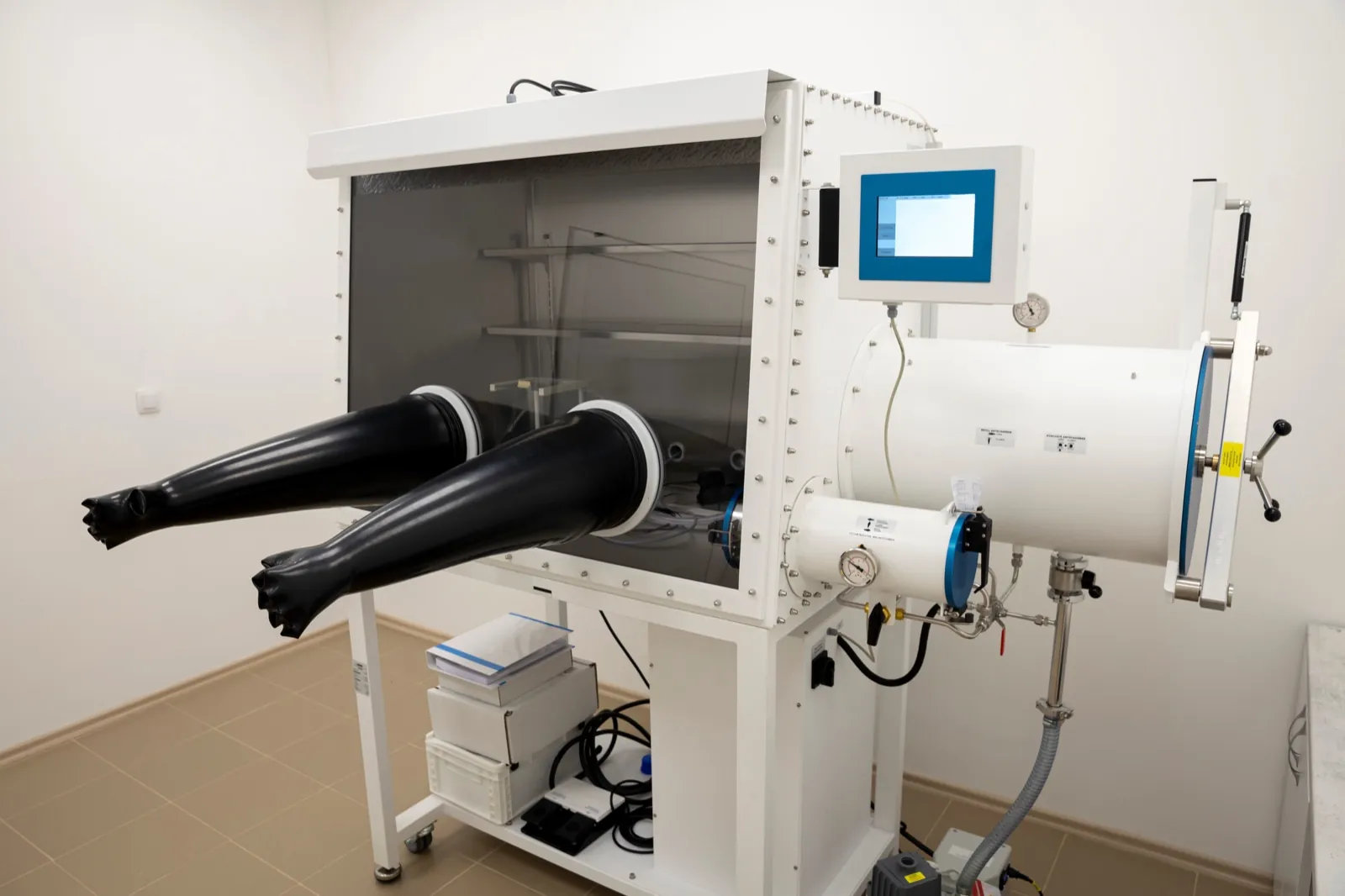
Industries That Use Glove Boxes
Glove boxes are used across numerous industries where atmospheric control is necessary.

Chemical and Materials Science
Researchers use glove boxes to work safely with air- and moisture-sensitive materials.

Battery Research and Energy Storage
Lithium and other battery materials are highly sensitive to oxygen and moisture exposure, making atmospheric control essential.

Semiconductor and Electronics Manufacturing
Manufacturers use gloveboxes to minimize contamination and oxidation during production and testing processes.

Pharmaceutical and Biotechnology Applications
Controlled environments support sterile processes while helping protect both products and personnel.

Microbiology and Life Sciences
Researchers rely on controlled atmospheres to cultivate and study sensitive organisms.

Nuclear and Radiological Operations
Glove boxes provide containment for radioactive materials and other hazardous substances.

Metal Additive Manufacturing
Glove boxes protect oxygen-sensitive metal powders used in additive manufacturing, helping prevent oxidation of materials like titanium and aluminum.
Types of Controlled Environment Systems
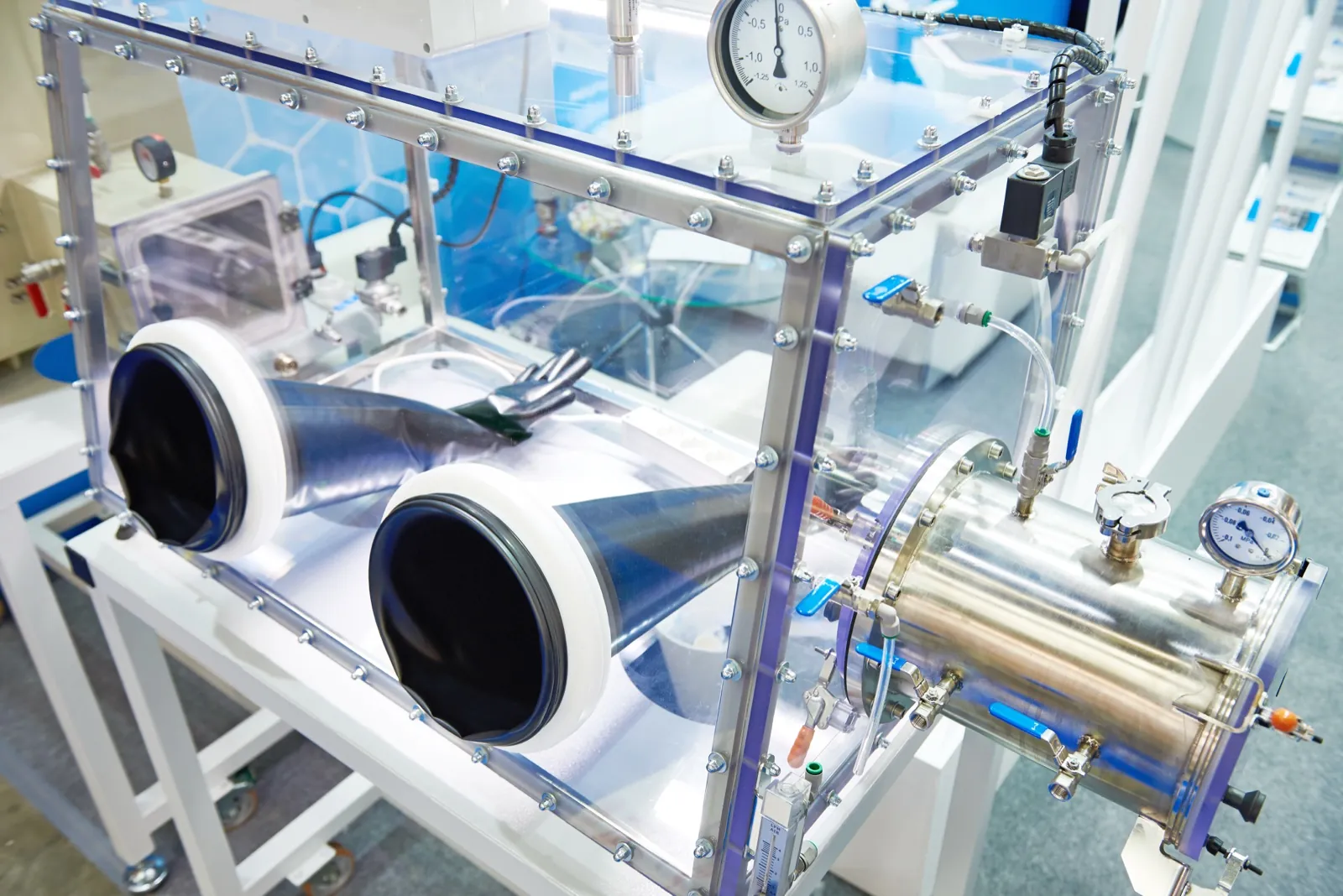
Controlled environments are available in several forms depending on operational requirements.
Examples include:
- Anaerobic chambers
- Glove box isolators
- Welding glove boxes
- Portable glove boxes
- Positive-pressure systems
- Negative-pressure systems
- Clean rooms
- Purge boxes
Each design is intended to address a specific combination of safety, contamination control, atmospheric management, and process requirements.
Recommended Oxygen Monitoring Solutions for Glove Boxes
Many glove box applications depend on maintaining stable atmospheric conditions to protect sensitive materials, support research, and ensure process consistency. Reliable oxygen monitoring helps verify that these environments remain within specification and alerts operators to unwanted atmospheric changes. AMI offers oxygen analyzers designed for both permanent installation and portable verification in glovebox applications. Whether you’re operating a laboratory glovebox or a production-scale controlled environment, our solutions provide accurate oxygen measurement to support process integrity and product quality.
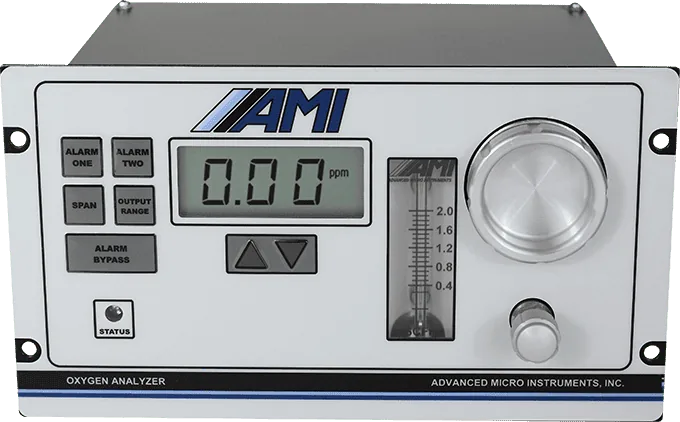
MODEL 2001RS/RSP — Panel-Mount Trace Oxygen
Continuous, low-ppm oxygen measurement for inert-atmosphere glove boxes. Fast response to small oxygen changes, data logging, and adjustable alarm relays help operators catch leaks and seal failures early.
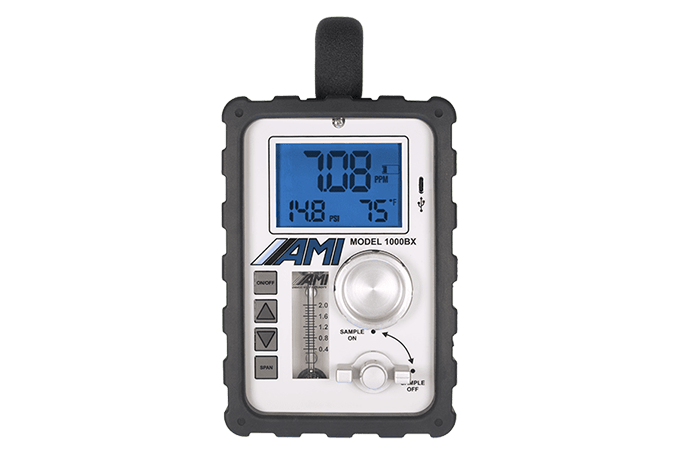
MODEL 1000BX — Portable Oxygen Analyzer
A cost-effective way to verify multiple glove boxes, confirm purge cycles, and spot-check after glove port entries without installing a dedicated analyzer on every station.
Frequently Asked Questions
Q: What is a glove box?
A: A glove box is a sealed, enclosed workstation with built-in gloves that allow operators to handle materials that remain isolated from the surrounding environment. It maintains a controlled atmosphere to protect the user, the surrounding environment, and the materials inside the enclosure.
Q: What are the main components of a glove box?
A: Most glove boxes include a sealed enclosure of stainless steel, glass, acrylic, or polycarbonate; viewing windows; glove ports with chemically resistant gloves; material transfer ports and airlocks; gas inlet and exhaust systems; pressure and safety valves; and optional oxygen and moisture sensors.
Q: Which industries use glove boxes?
A: Glove boxes are used in chemical and materials science, battery research and energy storage, semiconductor and electronics manufacturing, pharmaceutical and biotechnology applications, microbiology and life sciences, nuclear and radiological operations, and metal additive manufacturing.


